

Proactive Health Management Through Wearable Technology: The Future of Family Healthcare | Safe and Sound
Technology is no longer used solely for communication and entertainment. Today, it is becoming a powerful tool that helps people better understand their bodies, monitor their health on a daily basis, and take a more proactive approach to caring for themselves and their families. In recent years, proactive healthcare has emerged as a growing trend worldwide, driven in part by the rapid development of wearable health technologies such as smartwatches and smart rings. These devices enable continuous health monitoring, providing users with valuable insights that support early awareness, informed lifestyle choices, and more personalized health management.
1. What is Proactive Healthcare?
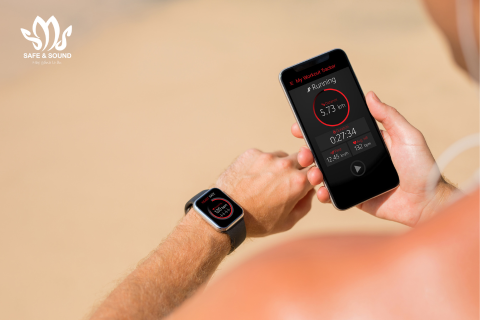
Image: Proactive healthcare is the trend of our time
Proactive healthcare refers to an individual's conscious effort to monitor, prevent, and adjust their lifestyle in order to maintain an optimal balance of both physical and mental health, rather than relying entirely on medical interventions after illness has already occurred.
To make this preventive healthcare mindset a reality, smart wearable technology (such as smart rings, smart bands, etc.) has emerged. Unlike traditional medical measurement devices, which are often bulky and only used intermittently during medical visits, next-generation health monitoring devices are capable of continuously tracking the body 24/7. By integrating biometric sensors and artificial intelligence (AI) algorithms, wearable technology digitizes the body's physiological activities into intuitive health data:
- Continuous cardiovascular screening: Monitoring Resting Heart Rate (RHR) and Heart Rate Variability (HRV), two indicators that directly reflect heart health and the stress state of the nervous system.
- Blood oxygen saturation measurement: Closely monitoring blood SpO₂ levels, helping detect early signs of respiratory decline or dangerous sleep apnea syndrome.
- Automated blood pressure management: Recording trends in systolic and diastolic blood pressure under various daily living conditions.
- Digitizing sleep quality: Deep analysis of Deep Sleep, Light Sleep, and REM Sleep cycles, identifying factors that contribute to poor sleep quality.
- Quantifying stress levels: Assessing nervous system pressure through real-time biological responses, helping users recognize their mental resilience threshold.
With some current wearable devices, all of this body data is consolidated into a seamless electronic health record on a mobile application, giving individuals and families the key to managing their own health.
Read the related article: [Understanding SpO₂ and Heart Rate: Which Warning Signs Indicate Your Body Is Exhausted?]
2. Wearable Technology – The Invisible Shield Protecting Family Members
The new-generation family healthcare model goes beyond caring for a single individual; it focuses on building a safety network that connects multiple generations under one roof.
2.1 A Source of Peace of Mind for Children Living Away From Home
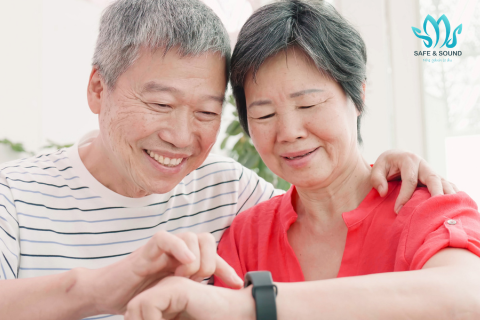
Image: Wearable technology serves as a source of reassurance for children living far from home
One of the greatest concerns for busy adults is the health of their aging parents. Older adults often tend to endure discomfort, hide illnesses, or fail to recognize dangerous risks such as hypertension and cardiovascular disorders when living alone.
The application of smart health monitoring devices has effectively addressed this barrier. Parents' health data is continuously synchronized to an online electronic system. By simply opening a mobile application, children can check whether their parents slept well the previous night or whether their blood pressure remains stable, even while working in an office or living in another city. At this point, technology becomes a bond that connects family members, bringing peace of mind through proactive healthcare solutions.
2.2 A Multi-Layer Emergency Response System
The combination of wearable hardware and modern digital healthcare platforms (such as the SNS application by Safe and Sound) delivers a highly meaningful feature: multi-layer emergency alerts.
When the device's sensors detect that a family member's biological indicators suddenly exceed safe thresholds (for example, an excessively elevated heart rate or significant blood pressure fluctuations during the night), the system immediately sends dual alerts. Notifications appear on both the user's phone and the phones of other family members. This proactive early detection creates a "golden window of time," enabling families to take timely medical action and prevent unfortunate outcomes.

3. The Safe and Sound Ecosystem Transforms Raw Wearable Data into Practical Healthcare Solutions
A common misconception among users today is that purchasing an expensive wearable device such as a smart ring and monitoring the displayed metrics is sufficient for proactive healthcare. However, healthcare professionals consistently emphasize that raw data on a screen becomes meaningless if users lack the expertise to interpret it and, more importantly, do not have a scientific improvement roadmap.
Recognizing this gap, the Safe and Sound comprehensive healthcare ecosystem (under the professional sponsorship of the Institute of Medical Technology Applications - IMT and the Wellbeing Health Education Organization) has developed a closed-loop proactive healthcare solution to maximize the value of wearable technology for every family.
3.1 Standardizing Data Through Medical Assessment Scales
To transform scattered smart ring data into clinically meaningful health reports, the SNS application integrates standardized screening tools, including: General Physical Performance Assessment (ECOG Scale), Comprehensive Sleep Quality Assessment (PSQI Scale), and Psychological Stress Screening. This helps users gain the most accurate understanding of their overall health condition.
3.2 A “Family Doctor in the Palm of Your Hand”
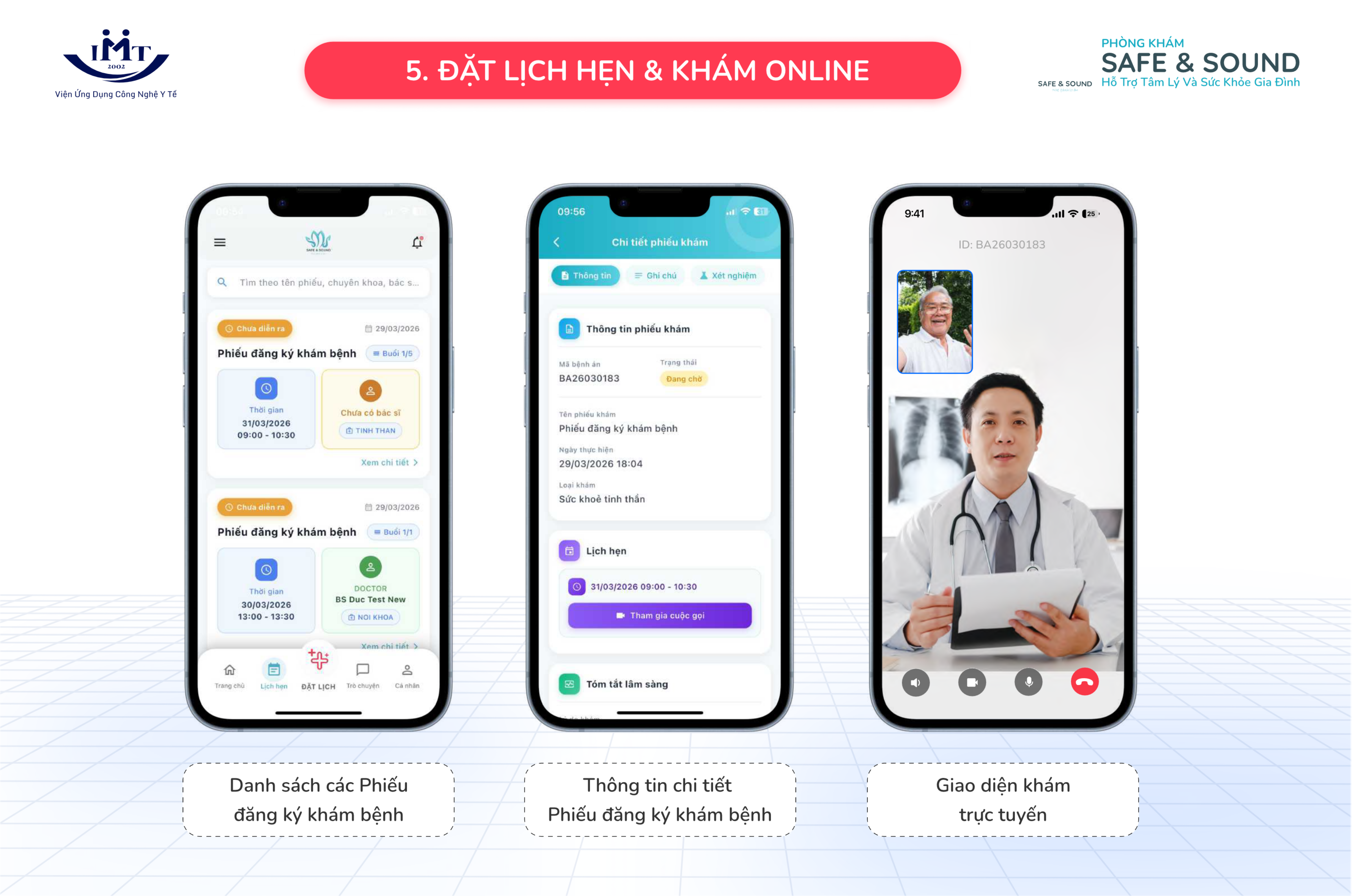
Image: The SNS App connects you with experienced internal medicine physicians and psychologists
Each family account on the Safe and Sound platform is connected to a dedicated healthcare environment, where experienced internal medicine physicians and psychologists provide continuous support.
The specialist team closely monitors health data trends transmitted from wearable devices, provides timely professional analysis, and delivers personalized healthcare recommendations for the entire family on a daily basis.
3.3 Natural Recovery Programs Through Prescribed Exercises
Beyond consultation, accompanying physicians directly design and assign improvement programs (breathing exercises, stress relief activities, and sleep hygiene practices) through the SNS application. Your smart wearable device continues to monitor your body's response after completing these activities, allowing physicians to refine the care plan until biological indicators return to an ideal state of balance.

The trend of proactive healthcare through smart wearable technology solutions is opening a new era in which every home can benefit from a stronger healthcare protection system. Gaining a deeper understanding of even the smallest changes in the biological data of yourself and your loved ones is the strongest foundation for building a life of peace of mind, happiness, and fulfillment.
If you are looking for a comprehensive solution to proactively manage the physical and mental health of yourself and your family, or would like to learn more about connecting personal biological indicators with a network of healthcare professionals, contact our team today:
- 24/7 Support Hotline: 0964 778 911
- Safe and Sound Clinic - IMT Institute Fanpage
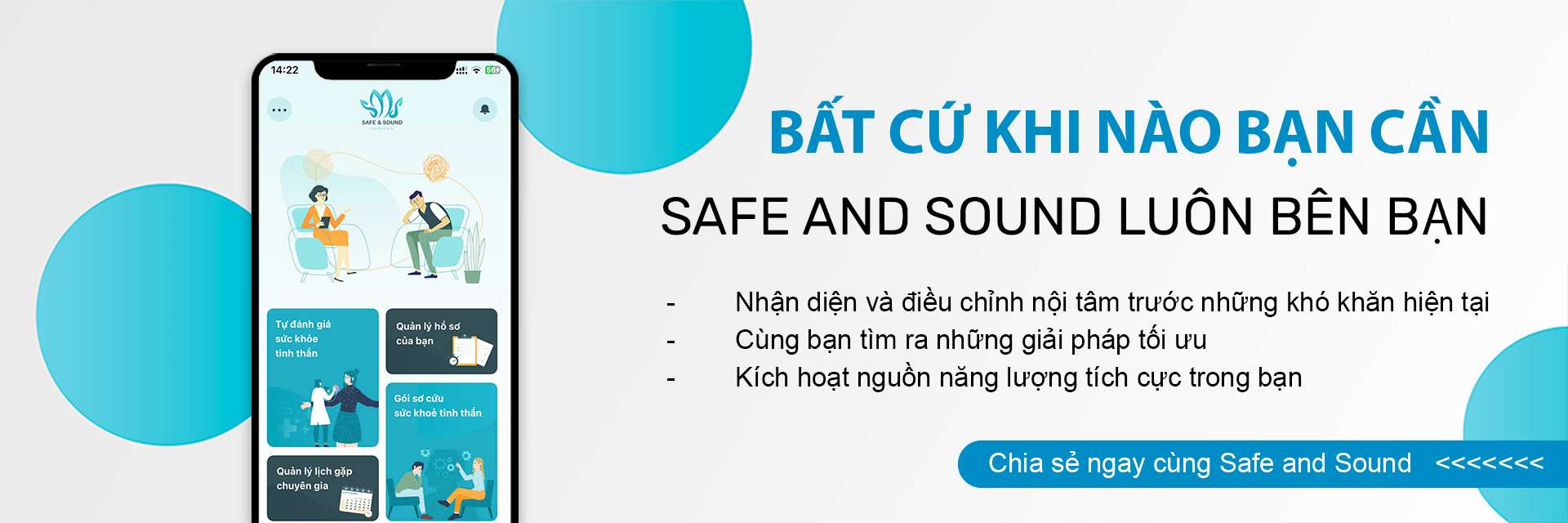
- Or download the Safe and Sound application and schedule consultations to manage and track appointments anytime, anywhere.
Safe and Sound - under the Institute of Medical Technology Applications (IMT)
Read more:
2. Is Blood Pressure Measurement with a Smart Ring Accurate? A guide to proactively managing systolic and diastolic blood pressure at home.
3. Smart Rings for Health Monitoring: Why are more people becoming interested in personal health data?
